

Your inflammation,
over time.
Where each reading sits today
Clean-up & Rebuilding and Targeted Defense sit below their reference ranges.
This sampleReference range
Activation starts a response
-
Activation Level
Alarm, fever and cell-recruiting signals
Within
-
Targeted Defense
Signals that show threats to T cells and power up cell-killing
Below
-
Where the Fast Response Is Working
In the blood, or moving cells into tissue
Within
Resolution ends it
-
Resolution Level
Early feedback and calming signals
Within
-
Regulatory Cells & Repair Signals
Longer-acting restraint on the response
Within
-
Clean-up & Rebuilding
Clearing spent cells and the shift toward repair
Below
The reference range is where most people measured the same way sit. Within means similar to them at this sample; it is not a statement about health.
How each reading has moved
Since the previous sample, four readings moved and two stayed about the same.
Sample 5Earlier samplesReference range
-
Activation Level
Moved down: now within, from at the upper edge.
-
Targeted Defense
Moved down: now below, from at the upper edge.
-
Where the Fast Response Is Working
Moved toward tissue: now within, from outside.
-
Resolution Level
About the same: now within, from above.
-
Regulatory Cells & Repair Signals
About the same: now within, from below.
-
Clean-up & Rebuilding
Moved down: now below, from within.
Samples are numbered 1 to 5. A reading counts as moved only when its shift since the previous sample is larger than the usual variation between samples.
The pathways behind a reading
Clean-up & Rebuilding: below its range · moved down. Less clearing of spent cells and less shift toward repair than the reference group.
Sample 5Sample 4That pathway’s reference range
-
Calming Through Metabolism
Breaks down an amino acid in a way that quiets T cells.
Below
-
Repair-type Clean-up Cells
Clean-up cells shift from attack to repair and rebuilding.
Lower edge
-
Retiring Neutrophils
Spent neutrophils die on schedule and are removed.
Below
Each reading is a weighted summary of several pathways: groups of genes that work together on one job. This shows where a reading differs from the reference group, not how well that job is being done or why.
Your immune cell mix
The estimated share of each immune cell family in the sample.
Sample 5Reference group, middle value
-
T cells
Sample 5: 27%Reference group: 34%
-
B cells
Sample 5: 6%Reference group: 7%
-
Killer cells
Sample 5: 4%Reference group: 3%
-
Dendritic cells
Sample 5: 0%Reference group: no reference value yet
-
Monocytes
Sample 5: 1%Reference group: no reference value yet
-
Neutrophils and related cells
Sample 5: 62%Reference group: 57%
Estimated from RNA, which is a different measurement from a blood count. Filled bars show Sample 5, with colors identifying cell families; lines show the reference group’s middle value. Dendritic cells and monocytes have no reference value yet.
- Activation starts a response
- Three readings follow the signals that raise the alarm and call in immune cells.
- Resolution ends it
- Three readings follow the signals that calm the alarm, clear away spent cells and begin repair.
Your first sample starts your personal baseline. Each later sample shows which readings moved, by how much, and which stayed about the same.
See what the test includesLearn more about establishing your baseline, or how our test fits into GLP-1 monitoring, peptide monitoring, and longevity protocols.
Inflammation protects you every day.
The goal isn't to make it low.
-
Your body starts a response, then ends it
When your body meets a virus, an injury, or a hard workout, one set of signals starts a response: they raise the alarm and call in immune cells. A second set ends it: they calm the alarm, clear away spent cells, and begin repair. The Inflammation Compass reads both sets from one blood sample.
-
Compared with people measured the same way
Each reading is placed against a reference group, people whose blood was measured the same way. The reference range is where most of that group sits, and your report shows whether you are within it, below it, above it, or at its edge.
-
Well tuned, not low
Sometimes the right response is a strong one. An infection needs it, so your body can clear what doesn’t belong and repair the damage, but then the response must end. The useful question is whether your response fits the situation and stops when the job is done. That is why your report shows results as positions against a reference group, never as a score to push down.
-
Explained, with nothing else to sell
Each result shows what was measured, how it was calculated, and with whom it was compared. We don’t sell supplements, and we never sell your data.
From kit
to report.
Reservations are open. See what to expect, from kit registration to your report.
-
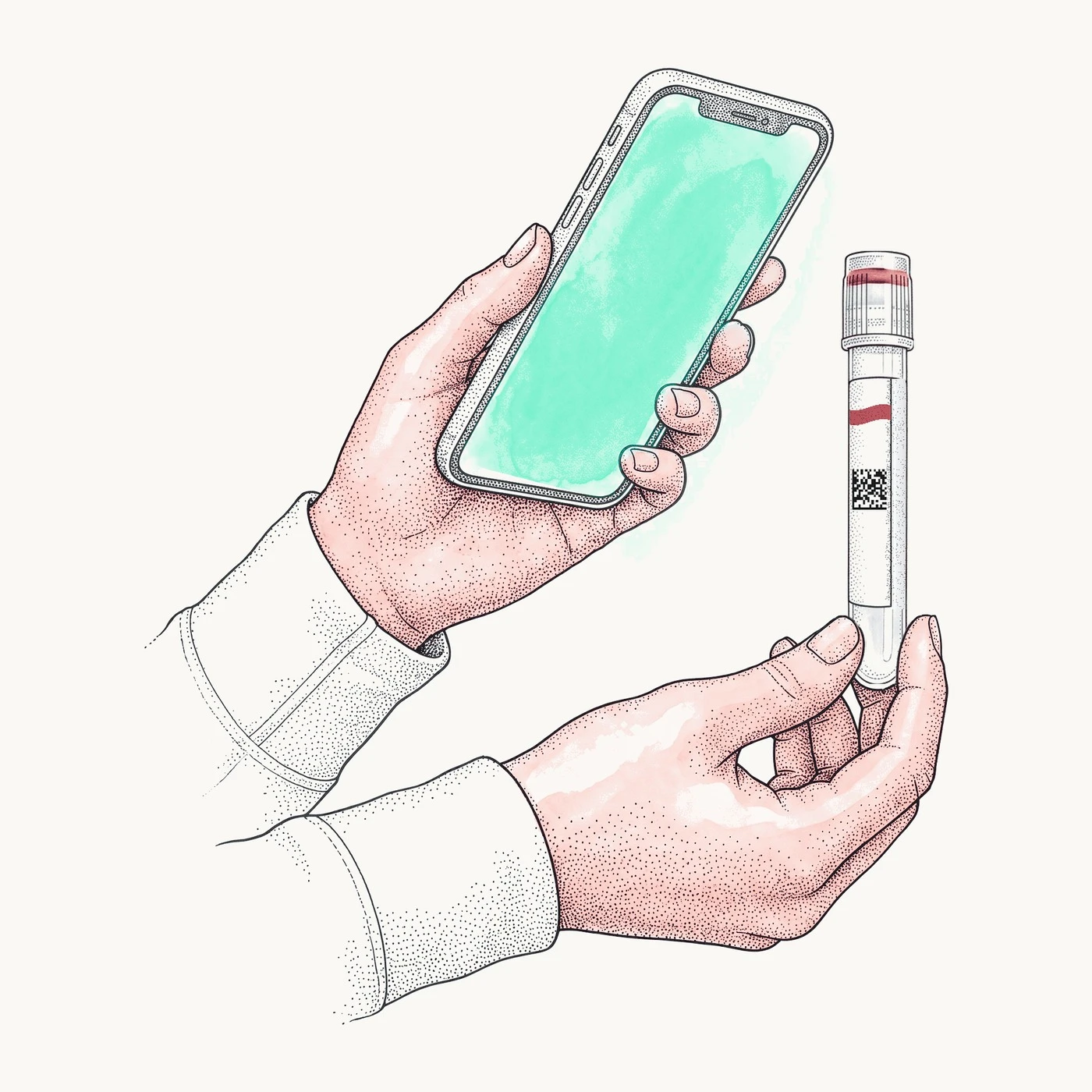
Register your kit
Register your kit ID, then complete consent and intake.
-
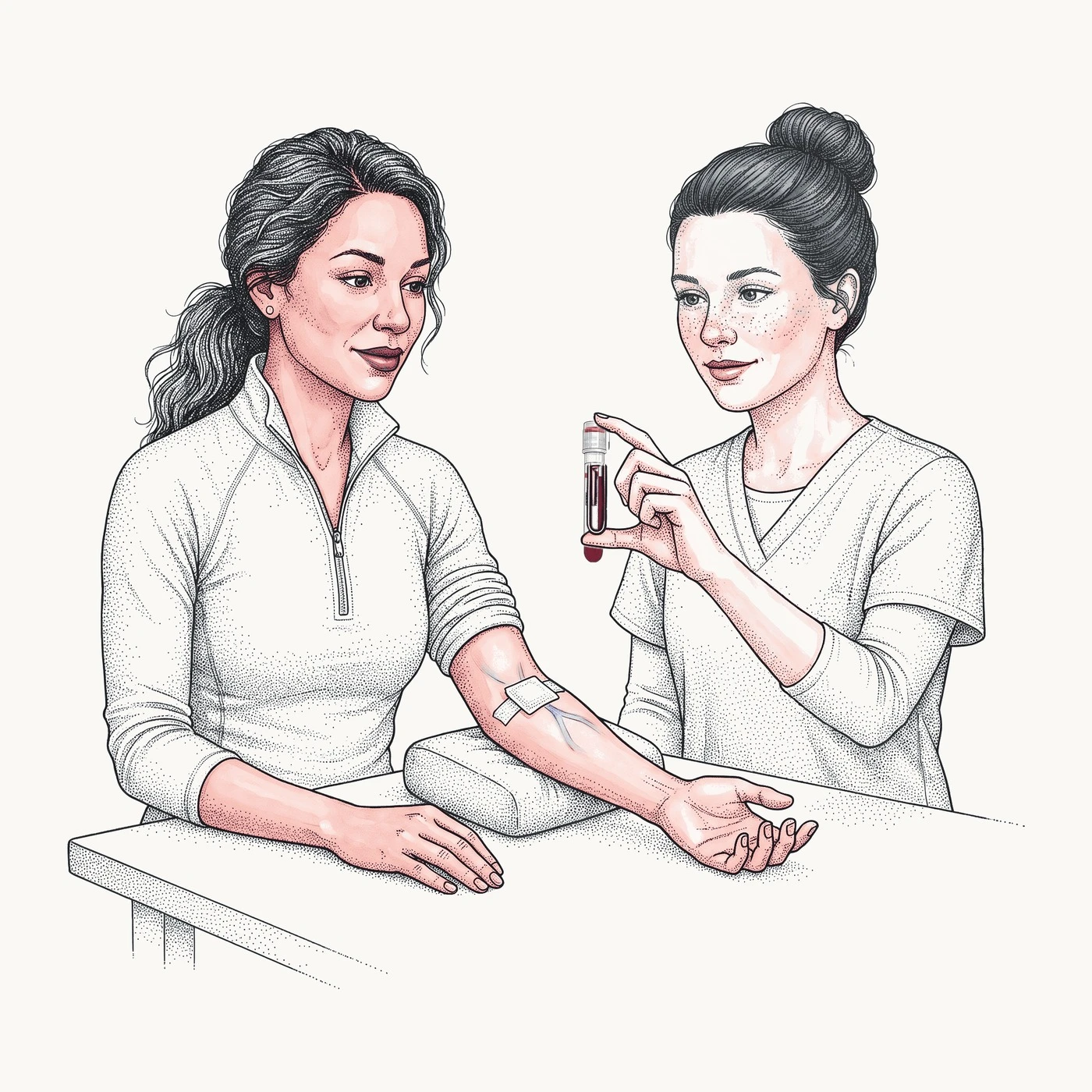
At-home blood collection
Request a preferred window. A phlebotomist contacts you to confirm the time.
-

Your report
A downloadable PDF, expected about one month after laboratory receipt.
A CLIA-certified lab
in Philadelphia.
Biomeme has built DNA and RNA tests, and the instruments that run them, for almost 15 years. The Inflammation Compass is processed in our CLIA-certified laboratory in Philadelphia, PA (CLIA ID 39D2229561). Gene groupings draw on published research and pathway databases.
Production & studio partners tested during COVID-19












Start with your baseline.
$389 per test, or $365 each when you order 4 or more. Mobile phlebotomy and shipping included.